
Solomon Islands Maritime Authority
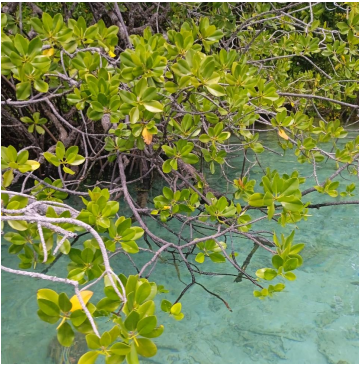
Welcome to our Marine Environment, Protection, and Safety Research Portal. Here, you will find resources dedicated to preserving our oceans and ensuring the safety of marine ecosystems and lives at sea. Our portal offers the up-to-date research information, and innovative solutions aimed at mitigating environmental impacts and promoting sustainable practices in the marine industry. Whether you are a researcher, industry professional, or environmental advocate, we invite you to explore our comprehensive collection of reports, and guidelines designed to support and advance marine conservation efforts globally.
An actual or probable discharge of a pollutant or other harmful substance from a vessel or a platform or a place on land
Pollutant includes oil and oily mixtures, noxious liquid substances, harmful packaged substances, sewage, and garbage.
i. Marine incidents at sea can result in marine pollution. Incidents include ships run around, ship to ship collision, ship to stationary structure allision. Depending on the severity of such incidents can lead to ship fuel oil or loaded cargo spill into the ocean causing marine pollution.
ii. Passenger Vessels with overloaded passengers and ignorant passengers onboard are always disposing of their garbage overboard causing deliberate marine pollution.
Explore our collection of resources and access the links below to learn more about marine pollution prevention, maritime safety, and environmental protection.
i. Prevention of Marine Pollution from Ships. link
ii. MARPOL Convention Summary. link
i. Distress at Sea. link
ii. Techniques for Survival at Sea. link
SIMA’s response to marine pollution incidence is guided by the Quality Management System Procedure Marine Pollution Response and Shipping (Marine Pollution) Regulation 2011 and the National Marine Spill Contingency Plan (NATPLAN). There are five main phases to the overall process of responding to oil or hazardous chemical spills.
Marine pollution casualties or incidents can be reported to Maritime Rescue Coordination Centre (MRCC) on
Phone: 21609
Toll freeline: 977
Email: mrcc@solomon.com.sb
Or fill out a report case form online available at: https://www.sima.gov.sb/environmental-protection-marine-pollution/report-marine-pollution-environment-case/


SIMA – Solomon Islands Maritime Authority
PO Box 1932 – Solomon Islands
(677) 21535
contact@sima.gov.sb